Copegus (Ribavirin)
Copegus (Ribavirin) — Antiviral Medication
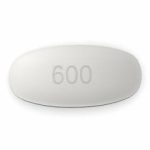
Copegus is an antiviral medicine based on ribavirin, a substance that has been used in medicine for many years to help treat serious viral infections. Although newer antiviral drugs have replaced ribavirin in some diseases, Copegus is still known worldwide and continues to be discussed in connection with viruses such as hantavirus and certain hemorrhagic fevers.
Recently, interest in ribavirin increased again because of discussions surrounding Andes hantavirus and the rare outbreaks reported in South America. Many people began searching for information about whether this medication can really help against dangerous viral infections and whether it can be used for prevention.
What Is Copegus?
Copegus contains ribavirin, a broad-spectrum antiviral drug. “Broad-spectrum” means the medicine may affect several different types of viruses rather than targeting only one infection.
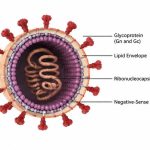
Viruses survive by entering human cells and using them to create new viral copies. Ribavirin interferes with this replication process and slows down viral multiplication inside the body.
However, Copegus is not a miracle cure. Like most antiviral drugs, its effectiveness depends on:
- the specific virus involved;
- how early treatment begins;
- the severity of the infection;
- the patient’s overall health condition.
What Viruses Has Ribavirin Been Used Against?
Over the years, ribavirin has been used in several serious viral diseases, including:
- chronic hepatitis C;
- certain hantavirus infections;
- Lassa fever;
- some viral hemorrhagic fevers;
- severe respiratory syncytial virus (RSV) infections.
Before modern hepatitis C medications became available, ribavirin was commonly combined with interferon therapy for long-term treatment.
Copegus and Hantavirus
Ribavirin is frequently mentioned in discussions about hantavirus because some older studies suggested possible benefits against certain hantavirus strains, especially those affecting the kidneys.
However, the situation is much less clear for Andes virus and severe pulmonary hantavirus infections.
Current research suggests:
- ribavirin may only help if given very early;
- evidence for severe lung-related hantavirus remains limited;
- no universal cure for Andes virus currently exists.
Doctors still rely mainly on supportive care, oxygen therapy, intensive care treatment, and respiratory support in severe hantavirus cases.
How Is Copegus Taken?
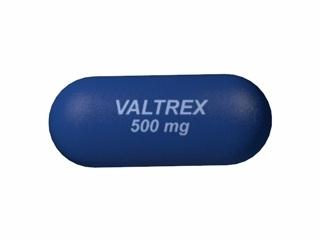
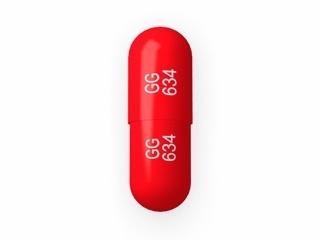
Copegus is usually prescribed in tablet or capsule form. The dosage depends on:
- body weight;
- the type of infection;
- kidney and liver function;
- other medications used together with it.
Patients should never change the dose without medical supervision.
Common Side Effects
Like many strong antiviral medications, Copegus may cause significant side effects.
Common reactions include:
- fatigue;
- headaches;
- nausea;
- stomach discomfort;
- loss of appetite;
- insomnia;
- irritability;
- weakness.
Some people also experience:
- dizziness;
- dry skin;
- anxiety;
- concentration problems;
- coughing;
- mood changes.
The Most Important Risk: Anemia
One of the best-known side effects of ribavirin is hemolytic anemia.
This means red blood cells break down faster than normal, reducing the body’s ability to carry oxygen.
Symptoms may include:
- severe fatigue;
- shortness of breath;
- rapid heartbeat;
- weakness;
- dizziness.
In patients with heart disease, anemia may become dangerous. Because of this, doctors usually monitor blood tests regularly during treatment.
Pregnancy Warning
One of the most serious concerns with Copegus is pregnancy risk.
Ribavirin is known to cause severe birth defects and can seriously harm an unborn baby.
For this reason:
- pregnant women must never use Copegus;
- strict contraception is required during treatment;
- contraception must continue for months after treatment ends.
These precautions apply to both women and men taking ribavirin.
Who Should Use It Carefully?
Doctors use special caution when prescribing Copegus to people with:
- kidney disease;
- liver disease;
- heart conditions;
- severe anemia;
- blood disorders.
Before treatment begins, patients often require:
- blood tests;
- liver function monitoring;
- kidney evaluation;
- sometimes heart examinations.
Can Copegus Be Taken for Prevention?
Many people ask whether ribavirin can be taken “just in case” after possible exposure to viruses like hantavirus.
Health authorities generally do not recommend this.
Why?
- the medication has potentially serious side effects;
- preventive effectiveness against Andes virus is unproven;
- the risks may outweigh the benefits in healthy individuals.
Instead, prevention focuses on:
- avoiding rodent exposure;
- ventilating dusty spaces before cleaning;
- wearing gloves and masks;
- disinfecting contaminated areas properly;
- seeking medical attention if symptoms appear after exposure.