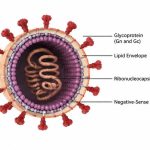
Hantavirus Explained — Symptoms, Transmission
In recent months, hantavirus has once again become a global topic of discussion after reports connected to the MV Hondius cruise ship outbreak in South America. News headlines describing rare cases of person-to-person transmission caused fear online, with many people wondering whether the world could be facing another pandemic similar to COVID‑19. However, scientists and global health organizations stress that hantavirus behaves very differently from highly contagious respiratory viruses.
Hantaviruses are a family of viruses primarily carried by rodents. Humans usually become infected through exposure to contaminated rodent urine, droppings, saliva, or dust particles containing viral material. In most cases, infection occurs in rural areas, cabins, farms, storage spaces, or abandoned buildings where rodents are present.
Although hantavirus infections are rare, they can be extremely dangerous. Some strains may cause severe lung or kidney complications with high mortality rates. The virus has been known to science for decades, but it remains poorly understood compared with influenza or coronaviruses.
One of the reasons hantavirus attracted international attention again in 2026 was the outbreak linked to the expedition cruise ship MV Hondius. Several passengers developed severe respiratory illness after traveling in South America, and laboratory testing later confirmed infection with Andes virus, a specific strain of hantavirus found mainly in Argentina and Chile.
Unlike most hantaviruses, Andes virus has demonstrated the ability to spread from person to person under certain conditions. This is what caused concern among health authorities and the public.
However, experts from the World Health Organization and the U.S. Centers for Disease Control and Prevention emphasized that Andes virus does not spread as easily as COVID‑19, influenza, or measles. Human transmission usually requires prolonged close contact, such as caring for a sick person, sharing living spaces for extended periods, or direct exposure to bodily fluids.
Researchers studying previous outbreaks in Argentina discovered that most secondary infections occurred among household members, romantic partners, or caregivers. Casual contact, such as briefly passing someone in public, has not been shown to be a major transmission route.
The symptoms of hantavirus infection often begin with fever, fatigue, muscle pain, headaches, nausea, and chills. Early symptoms may resemble influenza, which makes diagnosis difficult during the first stage of illness.
In severe cases, patients may suddenly develop breathing difficulties as fluid accumulates in the lungs. Blood pressure can drop rapidly, and patients may require intensive care or mechanical ventilation.
One of the most dangerous aspects of hantavirus infection is the speed at which the disease can worsen. Some patients initially appear stable but deteriorate dramatically within 24 to 48 hours.
Doctors currently focus mainly on supportive treatment because there is no universally approved cure specifically for Andes virus infection. Intensive medical care remains the most important factor in survival.
One antiviral drug frequently discussed in relation to hantavirus is ribavirin. Ribavirin has shown some effectiveness against certain older hantavirus strains that primarily affect the kidneys. However, evidence regarding its effectiveness against Andes virus remains uncertain.
Some studies suggest ribavirin may provide benefits if administered very early in infection, while other researchers believe its impact on severe lung involvement is limited. At present, ribavirin cannot be considered a guaranteed treatment.
Self-medication with ribavirin is strongly discouraged. The drug can cause serious side effects, including anemia, liver toxicity, and severe risks during pregnancy. Health organizations do not recommend it for routine prevention after possible exposure.
Instead, prevention strategies focus on reducing contact with rodents and contaminated environments. People entering dusty cabins, storage rooms, or barns should ventilate spaces before cleaning and avoid sweeping dry rodent droppings.
Using gloves, masks, and disinfectants can significantly reduce infection risk. Food should be stored securely, and rodent infestations should be addressed immediately.
Despite alarming headlines, most scientists believe the current risk of a global hantavirus pandemic remains low. The virus does not appear capable of sustained widespread airborne transmission between humans.
Nevertheless, health authorities continue monitoring outbreaks carefully because viruses can evolve over time. Andes virus remains scientifically important due to its unusual ability among hantaviruses to spread between people under certain circumstances.